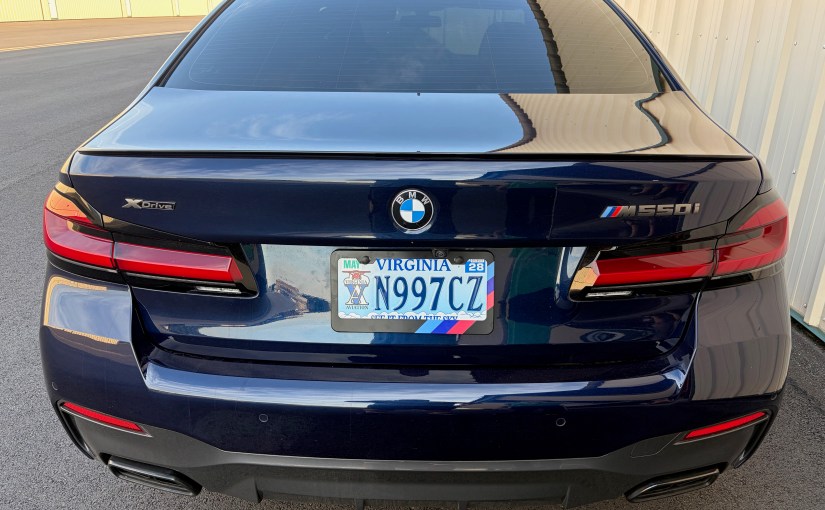
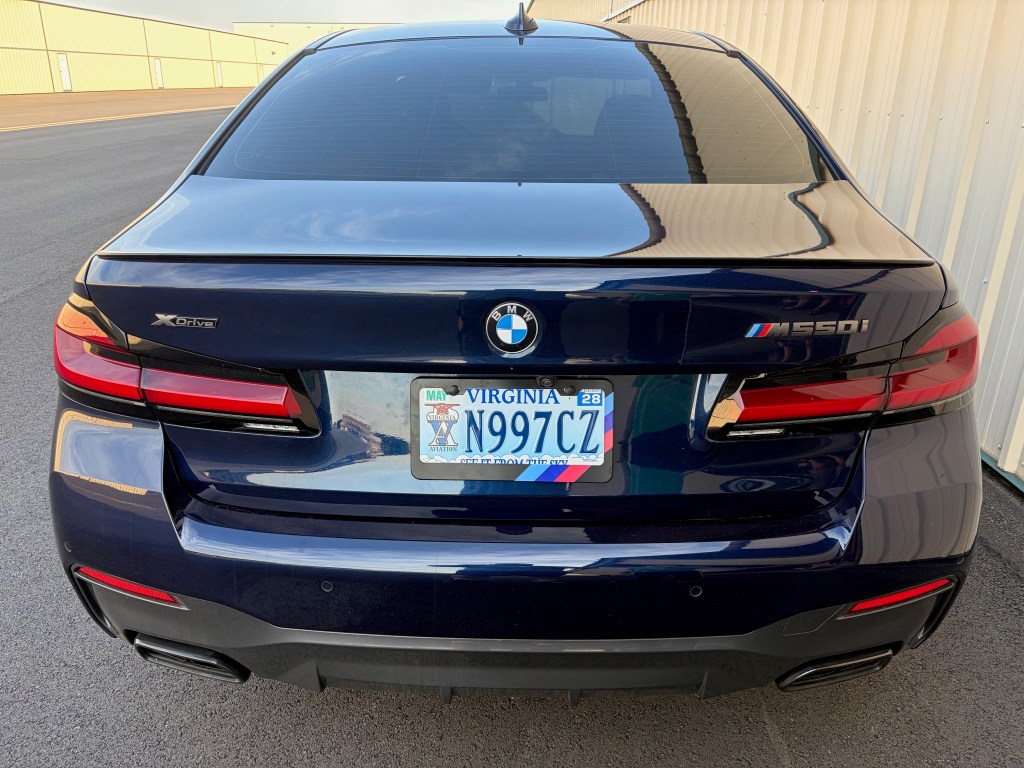
Let the record show the order of operations: Dan put the tail number on his car before he ever flew the airplane. That’s commitment. (In fairness — he offered the N997CZ plate to me first, before reserving it for his own ride. I passed. He didn’t hesitate.) So when Flight 14 rolled around, the man already had the callsign on his bumper; all that was missing was the airplane in his logbook.
Some context for newer readers: N997CZ has three owners — Harry, Dan, and me. I’ve flown every minute of the test program so far, because that’s how Phase 1 works best: one pilot, one airplane, building knowledge methodically. But thirteen flights and twenty-some hours in, with the stall series done and the systems behaving, it was time. Flight 14 was Dan’s first flight in the RV-10 — his airplane as much as mine.
The Numbers
| Date | 2026-06-07 (afternoon — second flight of the day) |
| Engine time | ~0.9 hr |
| Engine hours | 18.3 → 19.1 |
| Max altitude | ~6,140 ft MSL (6,490 ft GPS) |
| Fuel used | 9.8 gal (totalizer) |
| Profile | familiarization — no test cards |
| Conditions | warm afternoon (cruise OAT +76 °F) |
No test-card PDF link this time, and that’s deliberate: this was a familiarization flight, not a test sortie. The cards stayed in the binder.
Taxi Out
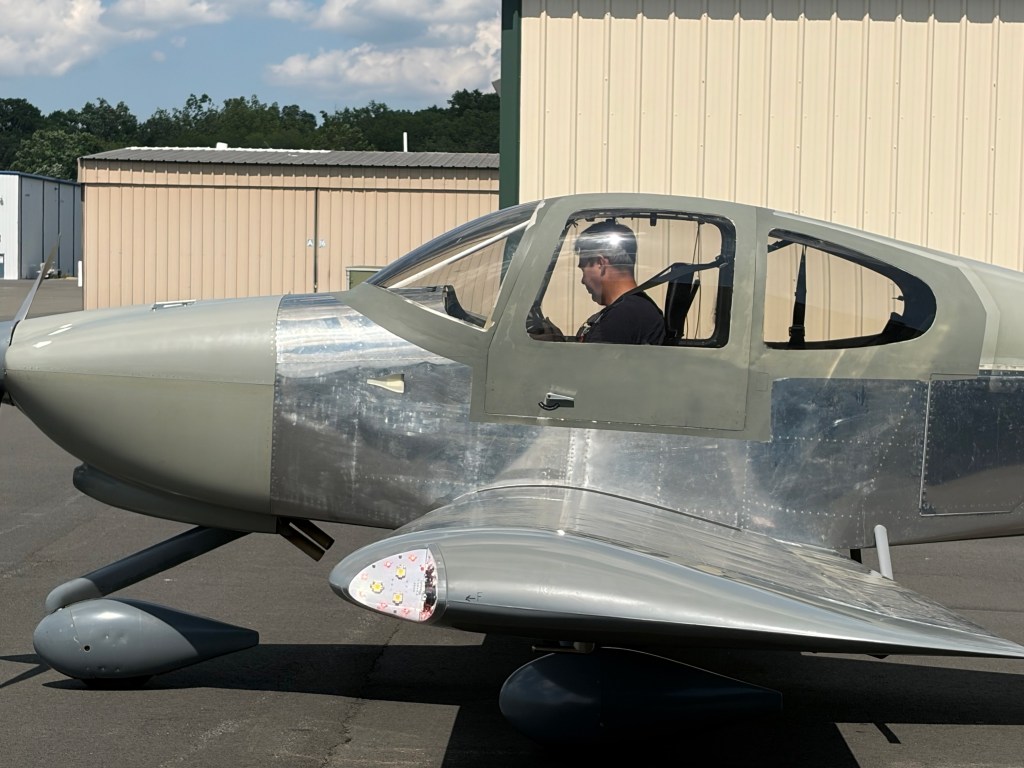
His first taxi out in the airplane:
First Takeoff
And the moment itself — Dan’s first takeoff in N997CZ:
What the Data Says About a Familiarization Flight
Even a no-cards flight leaves a data trail, and Flight 14’s log reads exactly like what it was: a thorough, unhurried checkout.
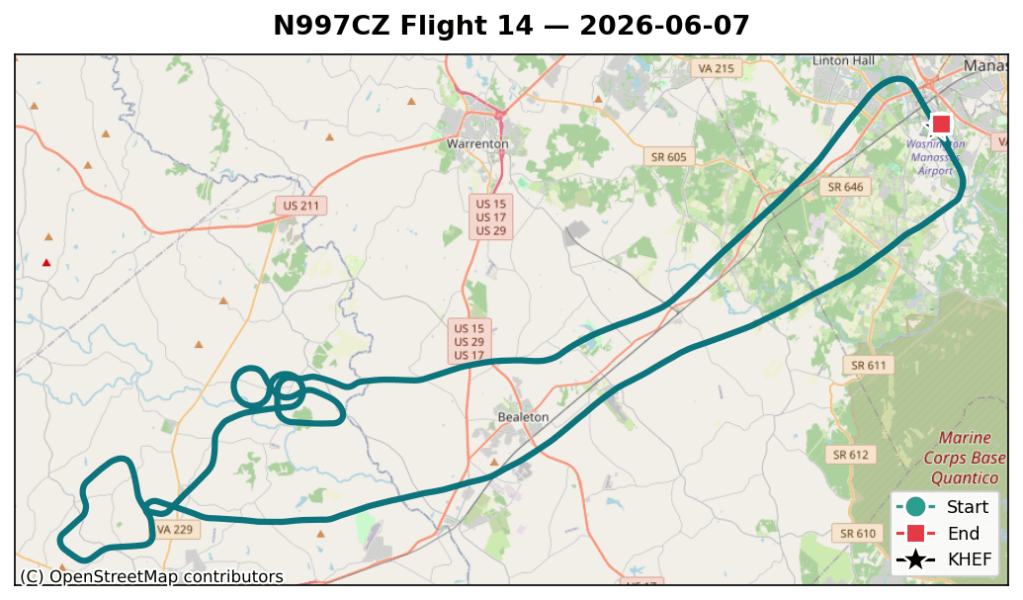
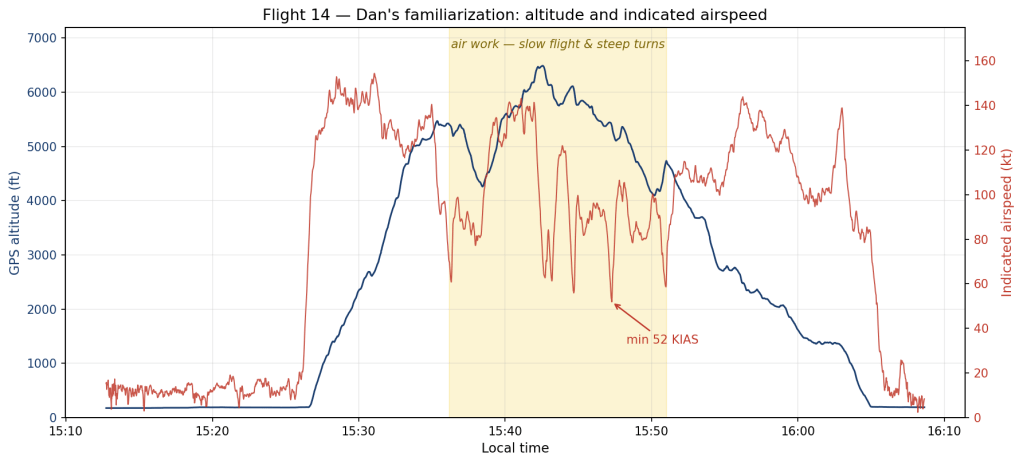
- Air work: a focused fifteen-minute block of slow flight and steep turns. The slow flight walked down to 52 KIAS at ~5,400 feet — comfortably into the regime where this airplane has now been thoroughly characterized — and the steep turns ran to about 45° of bank, pulling a maximum of 1.66 G. Textbook checkout numbers.
- Mixture: cruise fuel flow ran about 21 gph — essentially full rich. Thirteen flights of my leaning experiments did not transfer by osmosis; nobody leans aggressively on their first flight in a new airplane, nor should they.
- CHTs: the warm afternoon, rich mixture, and lower altitudes made this the toastiest of the weekend’s three flights — cylinder 5 peaked at 428 °F, still under the 435 °F comfort line. All six stayed in the green.
- Cabin CO: peak 3 ppm. Benign.
- Attitude system: the freshly overhauled AHRS #1, two flights into its tenure, stayed perfectly quiet through all the maneuvering. Not a twitch — the second tumble-free flight in a row, in an airplane that had never logged one before.
Fuel Etiquette
After landing, Dan topped the airplane off on his own dime — about ten gallons. The partnership’s fuel accounting remains in perfect balance, and the totalizer reconciliation thread that runs through this blog barely noticed the handoff.
Bottom Line
Flight 14 added a second name to N997CZ’s pilot roster, and the airplane treated its other owner exactly the way you’d hope: honest slow flight, crisp steep turns, cool-headed avionics, no squawks added. The man had the tail number on his car; now he’s got the airplane in his logbook.
Me? Maybe someday I’ll register a 997RV plate — the partnership’s RV-7 — and close the loop. Then each of us can drive around wearing the other airplane’s callsign, and the fleet will be fully registered on pavement and off.
Engine time after Flight 14: 19.1 hours.
 jamessclarkiv.com
One thought on “N997CZ — Flight 14: Dan’s First Flight”